











The way people find a local plumber in Minnesota has drastically shifted. A few years ago, appearing on Google Maps was enough. That still helps, but it is no longer the entire picture. Today, many homeowners skip the search bar and go straight to AI tools like Siri, Alexa, or Google’s AI overview. Rather than type, “plumber near me,” they use voice-to-text to ask, “Who can fix a burst pipe in Burnsville right now?” or, “What is the best plumber for a water heater replacement in Rochester?”
These AI tools do not pick a random result. They look at your website and assess if this business is easy to understand, is the information clear and up to date, and if they are trustworthy. Minnesota plumbers answering those questions on their website are the ones getting recommended. This guide walks you through exactly how to do that, step by step.
Key Takeaways
- AI tools pick plumbers based on how clear, organized, and trustworthy your website looks, not which keywords you use.
- Your website needs to load fast, work well on phones, and be seamless for computers to read and understand.
- Writing simple answers to common questions is one of the quickest ways to get your business recommended by AI search tools.
- Creating pages for each city or suburb you serve, from Eden Prairie to Duluth, helps make you visible during nearby searches for a plumber.
- Showing your license number, real customer reviews, and photos of your actual work builds the trust that AI tools look for.
1. Make Your Website Easy for AI Tools to Read

Before an AI tool can recommend you, it has to be able to read your website. These tools use programs called bots that scavenge websites and collect information. If your site is slow, confusing, or set up in a way that blocks bots, they will skip past, and a Minnesota homeowner dealing with a frozen pipe at 2 AM in January will call someone else. Here is how to fix that.
- Organize your pages in a simple, clear order. For example, your emergency plumbing page should have a web address like /services/emergency-plumbing/ so it is easy to find.
- Create a sitemap (a simple file that lists all your pages) and submit it to Google so their bots know exactly where to look.
- Make sure your website is not accidentally set up to block bots. This is a common mistake on older sites.
- Confirm your pages load in under 2.5 seconds. Slow websites get skipped. You can test your speed for free using Google PageSpeed Insights.
- Ensure your site functions well on phones. More than 70 percent of people searching for a plumber are on a smartphone, and AI tools favor sites that work well on small screens.

2. Write Simple Answers to the Questions People Are Already Asking

Most plumbing websites only show a list of services and a phone number. That is not enough anymore. When a Minnesota homeowner has a burst pipe in the middle of a polar vortex or a sump pump failure during spring snowmelt, they want answers immediately. If your website gives them those answers, AI tools will notice and recommend you.
- Create a page called, “Questions to Ask Before Hiring a Plumber” and cover things like your license, insurance, how fast you show up, and what your work guarantee covers.
- Add a FAQ section to each of your main service pages. For example, a sump pump page should answer, “How do I know if my sump pump is failing before spring thaws?” and “How much does it cost to repair or replace one in the Twin Cities area?”
- Begin each section with a short, direct answer to the main question. AI tools often grab the first one or two sentences to use in their summary.
- Mention Minnesota-specific issues in your answers. Discuss frozen pipe risks during our sub-zero winters, sump pump demand during spring snowmelt, or hard water from Minnesota’s limestone aquifers. This shows homeowners you understand what they are dealing with.
When your website answers the questions Minnesotan homeowners are already asking, you become the go-to expert in your area. That is exactly the kind of site AI tools want to recommend.
3. Add Special Labels That Help AI Tools Understand Your Business

There is a type of hidden code you can add to your website called schema markup. Think of it like a label on a shipping box. Instead of making AI tools guess what your business does, the code tells them directly: here is the business name, here is the address, here are the services, and here are the reviews. A web developer or your site platform can typically enable for you.
- Plumber or LocalBusiness schema: tells search tools your name, address, phone number, and business hours.
- Service schema: creates a separate label for each job you do, like Frozen Pipe Repair, Sump Pump Installation, or Water Heater Replacement. Here, AI tools can match you to the right search.
- FAQ schema: flags your question-and-answer sections so these tools know they can pull answers directly from your site.
- Review schema: shows your star rating and customer feedback in the data that AI tools scan, making it easy for them to see that customers trust you.
When an AI tool knows exactly who you are, where you work, and what you do, there’s a higher likelihood to recommend you over a competitor whose website leaves those details unclear.

4. Create Pages for Each Town or Neighborhood You Serve

AI tools often give people recommendations based on where they live. If someone in Woodbury searches for a plumber, your website needs to mention Woodbury by name. If someone in Maple Grove has a sump pump emergency, they need to find a page that speaks directly to their area. If you only list your main office, people located a few miles away may never find you.
- Build a separate page for each main town or area you serve. Use a title like, “Emergency Plumbing in Bloomington, MN” or, “Sump Pump Repair in Eagan” so it is clear and easy to find.
- Write something different on each page. Avoid copying and pasting the same text with a different city name. For example, mention that South Minneapolis has many older homes with galvanized pipes, or that lakeside communities around the Twin Cities often deal with high water tables that stress sump pumps.
- Have your business name, address, and phone number are written the same exact way on every page and in every online listing.
- Add a map to your page and clearly state how far you travel. This helps AI tools confirm that you actually serve that area.
5. Show People (and AI Tools) That You Can Be Trusted

Plumbing is personal. You are entering someone’s home, often in the middle of a Minnesota winter when something has already gone wrong. People need to feel safe before they call you. AI tools are designed to measure that feeling of safety, and the more proof of trust you show on your website, the more likely you are to get recommended.
- Display your Minnesota plumbing license number, bond status, and insurance info somewhere easy to spot, like the top of your page or in the footer. You can also link directly to the Minnesota Department of Labor and Industry license lookup page allowing homeowners to verify you themselves.
- Show real customer reviews from Google, Yelp, or other trusted sites. A steady flow of positive reviews tells AI tools that previous clients have had outstanding experiences with you.
- Share short stories about jobs you have completed. For example, describe how you fixed a frozen pipe in a St. Paul bungalow during a polar vortex, or replaced a failing sump pump in an Edina home the night before a major spring storm. Real examples like these build confidence fast.
- Offer a clear service guarantee. Something along the lines of, “No Fix, No Fee” or, “We will come back if the problem returns” provides peace of mind before they book.
- Implement real photos of your team and trucks. Authentic images show that your business is a real, local operation.

6. Show Up in More Than One Place Online
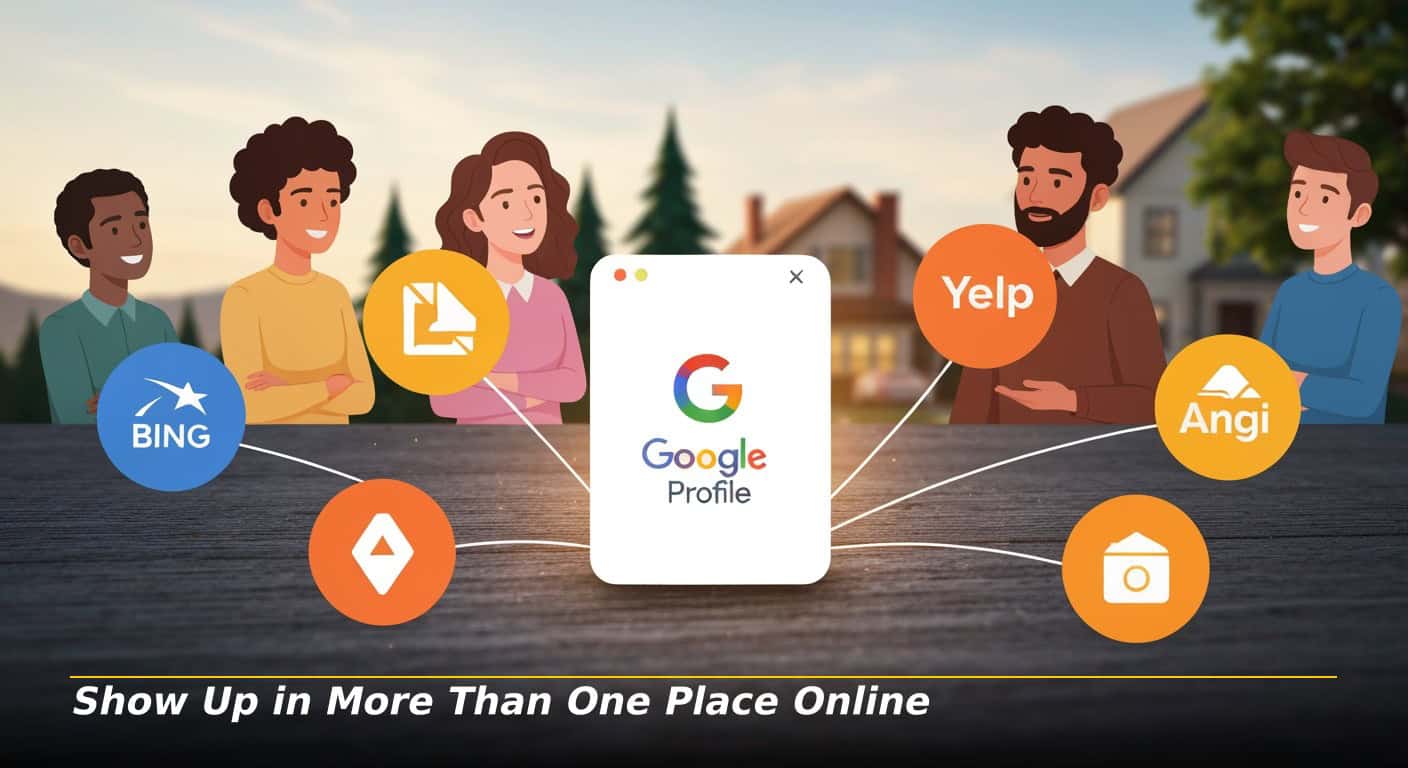
AI tools do not solely rely on one website. They check multiple places online to confirm that your business is real and active. The more consistently you appear across the internet, the more confident AI tools will be in recommending you.
- Keep your Google Business Profile up to date with accurate services, hours, and a description. Add new photos from your jobs at least once a week.
- Write helpful articles on topics Minnesota homeowners look up, including, “How to Prevent Frozen Pipes During a Minnesota Winter” or “Does My Twin Cities Home Need a Sump Pump?”
- List your business on sites like Bing, Yelp, and Angi. AI tools check these directories to confirm you are a real, active business.
- Keep all your content visible to the public. AI bots cannot read pages that are locked behind a form or a login screen.
- Update your pricing and service pages at least once a year to stay current and relevant.
7. Turn Website Visitors Into Paying Customers
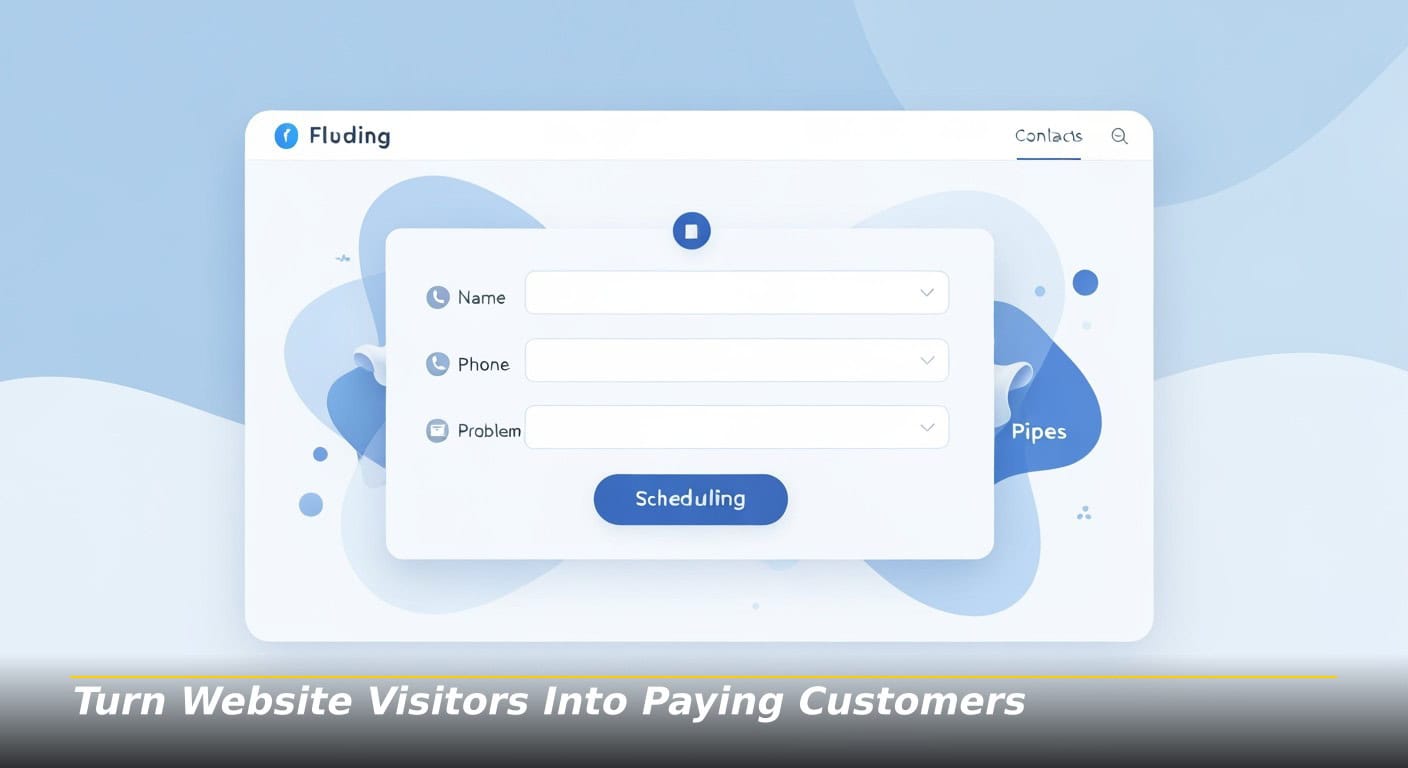
Getting recommended by an AI tool is a great start, but it only matters if the person actually calls you. Once someone lands on your website, make it as simple as possible for them to get in touch, especially if they are dealing with a flooded basement during a Minnesota spring thaw or a frozen pipe at midnight in January.
- Put a clear, simple button on every page with a message like, “Call Now for 24/7 Emergency Service” or, “Book a Same-Day Appointment.”
- Use a short contact form. Only ask for the basics: name, phone number, and a quick description of the problem. Long forms drive people away.
- Add a scheduling link or Best Time to Call option so viewers feel in control of when they hear from you.
- Tell interested customers what happens after they contact you. A simple line like, “We will call you within 15 minutes to confirm your technician” goes a long way when someone is stressed and needs help fast.
A 12-Month Plan to Build Your Online Presence
You do not have to do everything at once. Here is a simple plan to get have your website working harder for your business over the next year.
| When | Focus | What to Do |
| Month 1 | Get found by bots | Check your site structure and submit a sitemap to Google. |
| Month 2 | Answer questions | Add FAQ sections to every main service page. |
| Month 3 | Cover your area | Build a unique page for every city or town you serve. |
| Months 4 to 6 | Build authority | Write one helpful homeowner article per month. |
| Months 7 to 9 | Build trust | Add job stories and video reviews from real local customers. |
| Months 10 to 12 | Convert visitors | Review your contact buttons and update all pricing info. |
Final Thoughts: The plumbers who get the most business over the next few years will be the ones who start improving their websites today. It does not have to be complicated. Focus on being clear, local, and trustworthy. Work through this plan one step at a time, and the results will build up. Winters in the North Star State are unrelenting on plumbing systems. When a pipe bursts at midnight in February, you want to be the plumber their phone recommends.

FAQs About How Minnesota Plumbers Can Show Up in AI Search Results
1. How does a plumber get recommended by AI search tools?
Write clear, direct answers to common homeowner questions on your website. Keep your answers short, around 40 to 60 words, and put them near the top of each section. AI tools scan these and utilize them when answering questions for users.
2. Does my Google Business Profile help me show up in AI tools other than Google?
Yes. Many AI tools check your Google Business Profile to confirm that your business is real and active. Staying updated with accurate hours, services, recent photos, and fresh reviews helps show up across many platforms, not only Google.
3. Do I really need a separate page for every neighborhood I serve?
Create pages for the cities and suburbs that bring you the most business, whether it bePlymouth, Lakeville, Apple Valley, or anywhere else in your service area. The key is to write something different on each one. Avoid repeating the same text and swap in a new city name. Search engines can spot that and it can hurt your rankings.
4. Why does a slow website hurt my chances of being recommended?
AI tools want to send people to websites that work well. If your site is slow or difficult to use on a phone, it is a bad experience. So AI tools avoid recommending slow sites. Aim for your pages to load in under 2.5 seconds.
5. What is the most important technical thing I can add to my website?
Schema markup, specifically the LocalBusiness and Service types. This hidden code tells search engines exactly who you are, where you work, and what you do. It removes any guesswork and makes it much easier for AI tools to recommend your business with confidence.
